Examples of wash-bear Processing

Separation of Contaminants.

Why lightweight materials must be removed from recycled aggregates.

When processing construction waste, recycled aggregates, and mineral mixtures, contaminants are a decisive quality factor. Lightweight materials such as aerated concrete, wood, plastics, films, paper, or cable residues can make the reuse of the material more difficult and reduce the quality of the final product. The wash-bear® separates these contaminants using a robust sink-float process. The material is separated in a water bath according to its specific density. The mineral fraction sinks, while lightweight components float to the surface and are automatically discharged.

Separation efficiency depends on the feed material and operating conditions.

Most make-up water replaces moisture carried out with the discharged material. In practice, the system needs about 4–8 m³ of make-up water per 10-hour shift. A float valve regulates the water supply automatically. Lightweight materials can impair both the technical quality and the visual purity of recycled construction materials.

Aerated concrete, wood, plastics and polystyrene in particular are undesirable in mineral recycling material.

Sink-float separation simply explained.

The process uses the different densities of the materials. Heavy mineral components sink in the water bath and are discharged by the screw. Lightweight components float to the surface and are removed by the brush belt. The separation options can be further expanded, for example, with an optional air classifier.

Low water consumption in a closed system.

The wash-bear® operates with a closed system. Water is mainly lost through adhesion to the discharged material. The water level is regulated automatically.

Integration into existing process chains.

Thanks to its compact dimensions, the wash-bear® can be integrated into existing processing operations. Typical combinations include crushers, screening plants, conveyors, air classifiers and other recycling systems.

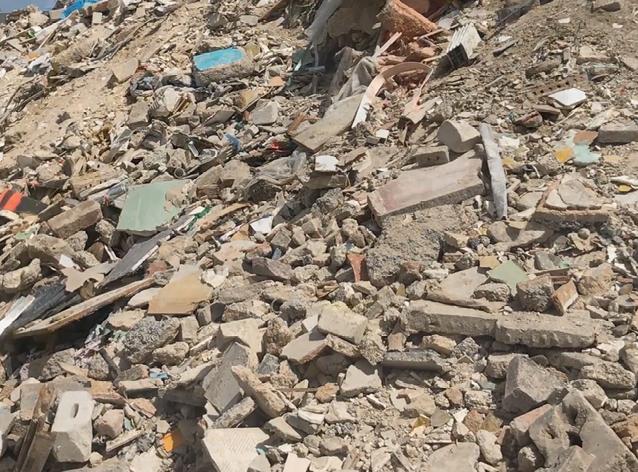
The feed material.

Aufgabematerial wash-bear

The feed material is introduced into the plant from the top.

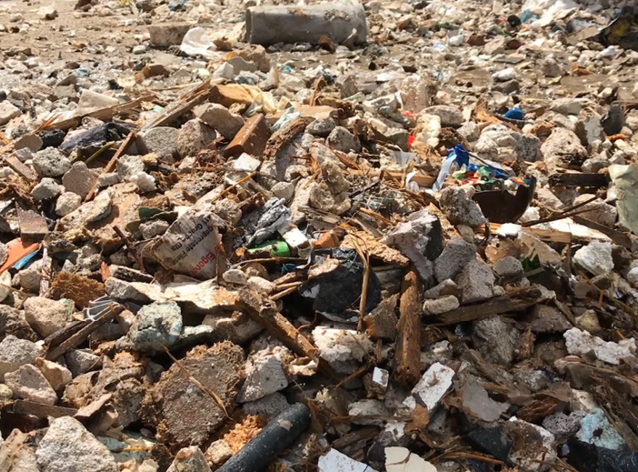
The Contaminants.

Störstoffe wash-bear

Lightweight components float to the surface and are discharged via the brush belt.

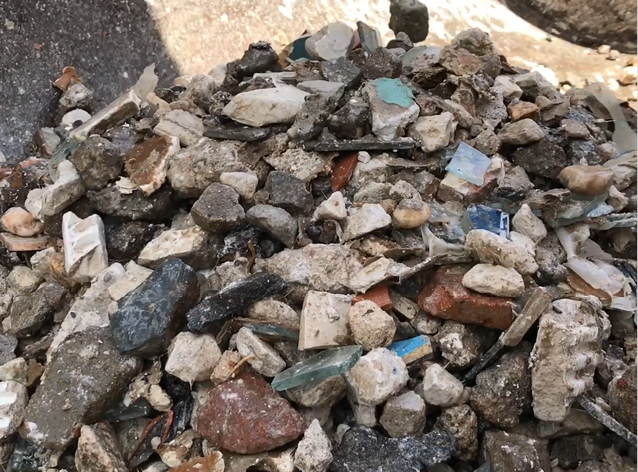
The Cleaned Material.

Gereinigtes Material wash-bear

In the water, a distinct separation line occurs. The heavy materials sink to the bottom.

wash-bear in 

Processing of Demolition, Recyclable Materials, and Recycling

wash-bear in Action.

Examples of wash-bear Processing

Frequently asked questions about material processing with the wash-bear®.

How does the wash-bear® work?

The wash-bear® separates mineral material from lightweight contaminants using the sink-float principle. Heavy mineral particles sink in the water bath. A screw conveyor lifts them out of the water and dewaters them during discharge. Floating lightweight contaminants are removed by a brush belt.

Which materials can be processed?

The wash-bear® is suitable for cleaning construction and demolition waste, crushed concrete, recycled aggregates and mineral mixtures. Floating contaminants such as wood, plastic film, paper, suitable plastics and aerated concrete are separated from the heavy mineral fraction. The composition of the feed material and the required throughput determine which model is best suited to the application.

What are the differences between the wash-bear® models?

The range includes the basic100, pro150, pro190 and track190. The model numbers indicate approximate throughput capacities of 100, 150 and 190 tonnes per hour respectively. Actual throughput depends on the material and operating conditions. All four models can be transported by hooklift truck. Based on the pro190, the track190 also has tracks for moving around the site and a hydraulically folding discharge conveyor.

How is water used in the process?

Water acts as the separation medium for the sink-float process and remains within the system during operation. Water loss mainly occurs through moisture carried out with the discharged material. These losses are replenished with make-up water, while an automatic level control maintains the required water level.